The appearance of democracy: How conditional payments reshape behavior among local leaders
Ivo Steimanis, Esther Blanco, Björn Vollan
Abstract
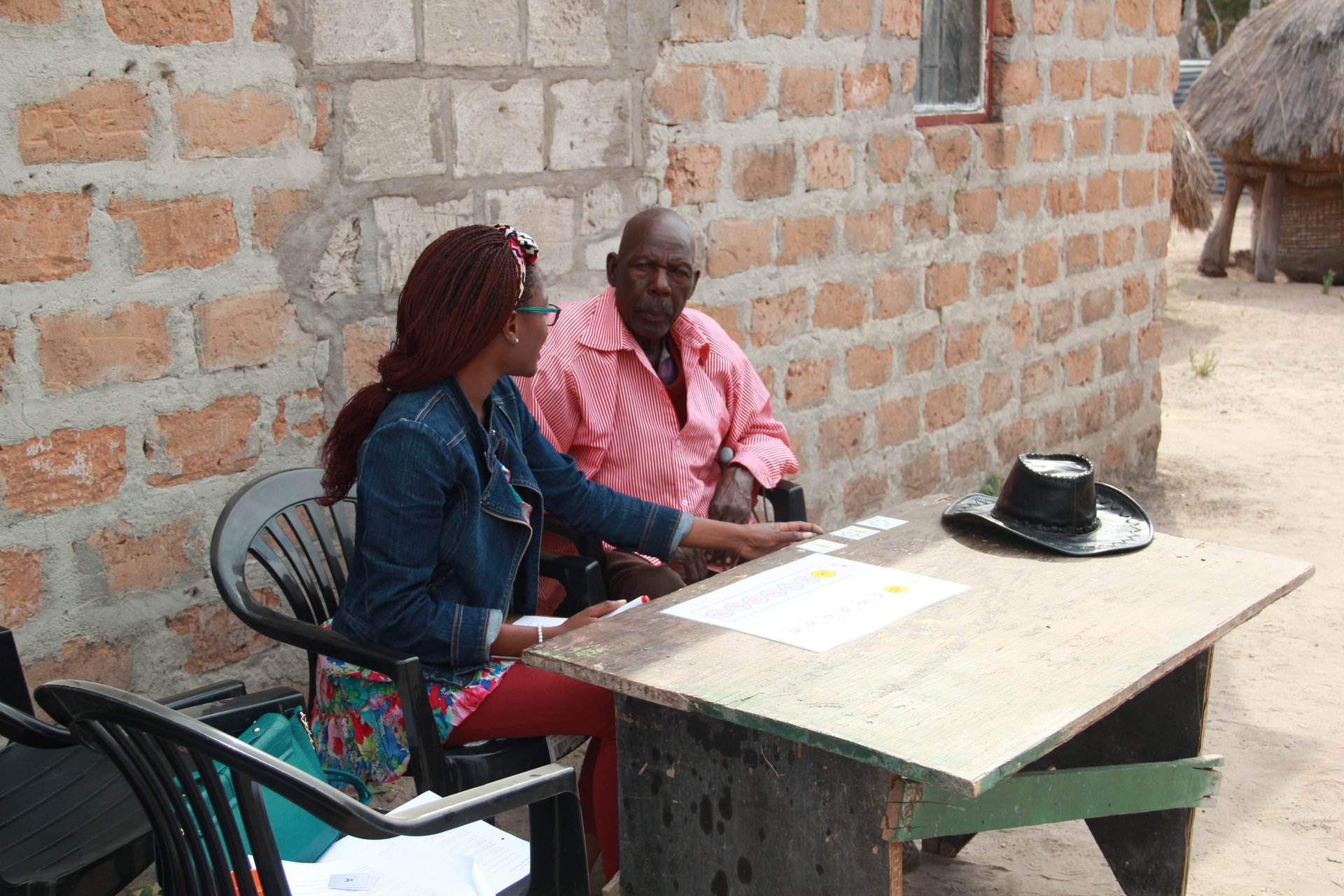
Democratic governance of shared natural resources is increasingly promoted through conditional payments in development and conservation programs. Whether such payments genuinely promote democratic decision-making or merely incentivize its appearance is an open empirical question with important implications for environmental governance. We conduct a lab-in-the-field experiment with 64 local leaders (32 traditional authorities and 32 elected Water Point Committee chairpersons) and 384 villagers across 32 villages in rural Namibia. Leaders choose among three procedural rules for allocating a collective fund: democracy (binding vote), pseudo-democracy (vote held but leader decides), and autocracy (leader decides unilaterally). We introduce bonus payments conditional on allowing for a vote. This parallels real-world conditionality where external actors can observe democratic procedures but not their substance. We find that payments do not significantly increase genuine democratic governance. Instead, payments significantly reduce autocratic choices, with a corresponding marginally significant increase in pseudo-democratic choices, where leaders adopt the appearance of democratic process without its substance. Under pseudo-democracy and autocracy, implemented allocations match leader preferences rather than the villager majority. Even under the democratic rule, roughly one in five groups preferred the leader-favoring allocation, indicating that democracy does not guarantee egalitarian outcomes. Exploratory results suggest that payments crowd out democratic behavior among leaders who chose democracy at baseline, while drawing baseline autocrats toward genuine democratic procedures. Our findings caution that process-conditional payments in environmental governance may generate symbolic compliance, with heterogeneous effects depending on leaders' pre-existing governance behavior.